


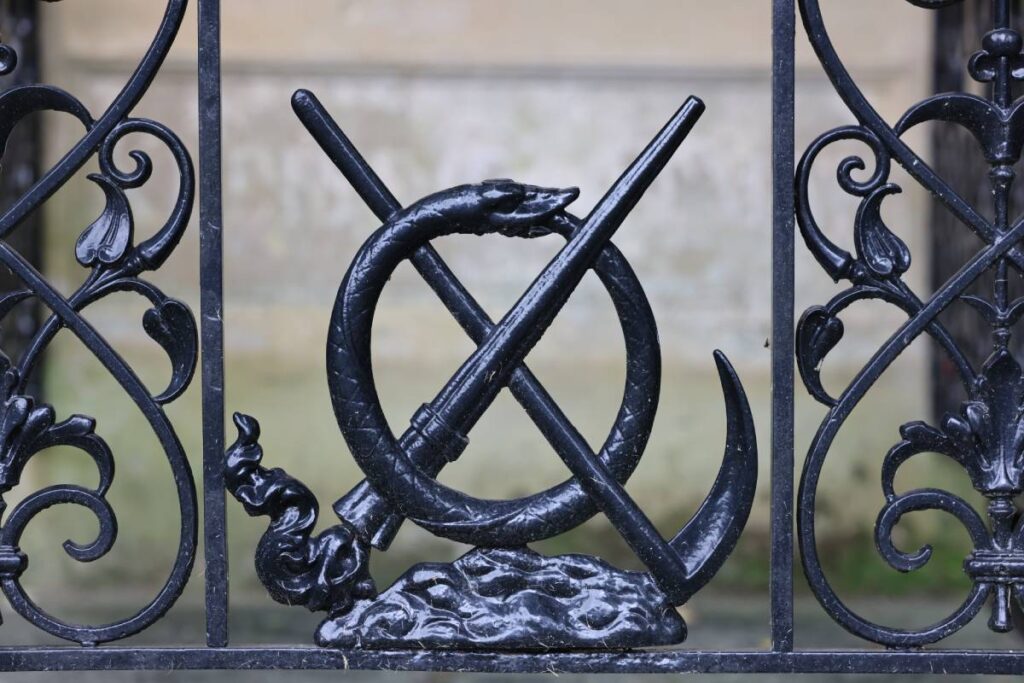
Iron has shaped human civilisation for centuries, from ancient tools and weapons to the ornate railings, gates, and architectural features we still see today. But not all iron is the same. The three most common types—cast iron, wrought iron, and steel—each have unique properties, compositions, and uses. Understanding their differences not only helps in choosing the right material for modern construction or restoration projects but also provides insight into the history and craftsmanship that brought them to life.
Let’s take a closer look at what makes cast iron, wrought iron, and steel unique—and why proper restoration and maintenance are so important for preserving these timeless materials.
Understanding the Basics: The Role of Carbon in Iron
All three materials—cast iron, wrought iron, and steel—are primarily made of iron and carbon. What sets them apart is the amount of carbon they contain and how it’s distributed within the metal.
- Cast iron has a high carbon content, typically between 2% and 4%.
- Steel has a moderate carbon content, generally between 0.1% and 1.5%.
- Wrought iron has an extremely low carbon content, usually less than 0.08%.
This carbon variation drastically affects the strength, hardness, flexibility, and resistance of each metal, influencing how they are made, used, and maintained.
What Is Cast Iron?
Cast iron is one of the oldest and most widely used forms of iron. As the name suggests, it’s produced by melting iron ore in a furnace, mixing it with carbon (and sometimes silicon or other alloys), and then pouring it into moulds to solidify. The result is a hard, brittle material that’s incredibly strong under compression but prone to cracking under tension or impact.
Key Properties of Cast Iron
- High compressive strength: Ideal for structures and components that bear heavy loads.
- Brittleness: It can fracture easily if struck sharply or exposed to rapid temperature changes.
- Excellent castability: It can be moulded into intricate shapes with fine detail.
- Good resistance to wear and corrosion: Especially when treated or painted properly.
Common Uses of Cast Iron
Cast iron has long been used for:
- Ornamental balustrades, fences, and railings
- Manhole covers, pipes, and engine blocks
- Cookware, such as pans and pots
- Historical architectural elements, particularly in Victorian and Edwardian buildings
Its ability to take on detailed decorative forms made it a popular choice during the 19th century for both functional and aesthetic structures.
What Is Wrought Iron?
Wrought iron is the opposite of cast iron in many ways. Instead of being poured into moulds, it’s produced by heating pure iron and working (or “wroughting”) it with tools to remove impurities and shape it into the desired form. This process gives wrought iron a fibrous texture, often visible in its grain, and makes it tough, malleable, and resistant to corrosion.
Key Properties of Wrought Iron
- Low carbon content: Less brittle and more ductile than cast iron.
- Malleable and weldable: Can be heated and forged into complex shapes.
- Corrosion-resistant: Especially when compared to steel.
- Distinctive grain: Gives it an elegant, handcrafted appearance.
Common Uses of Wrought Iron
Because of its strength and malleability, wrought iron has traditionally been used for:
- Decorative gates, fences, and balconies
- Historic window grilles and door hardware
- Garden furniture
- Restoration of heritage buildings
Many heritage properties in Australia, particularly in Sydney and Melbourne, feature ornate wrought iron lacework and verandah balustrades—a testament to its timeless appeal.
What Is Steel?
Steel is a more modern development derived from refining iron with a controlled amount of carbon and other alloying elements such as chromium, nickel, or manganese. It combines the hardness of cast iron with the flexibility of wrought iron, making it one of the most versatile materials used today.
Key Properties of Steel
- Balanced strength and flexibility: Suitable for both load-bearing and dynamic applications.
- Customisable composition: Different alloys can enhance corrosion resistance, toughness, or ductility.
- Easier to mass-produce: Modern processes like the Bessemer and open-hearth methods allow consistent quality.
- Magnetic and conductive: Useful in both mechanical and electrical applications.
Common Uses of Steel
Steel is used almost everywhere in the modern world, including:
- Building frameworks and bridges
- Vehicles and machinery
- Tools, appliances, and infrastructure
- Decorative fencing and modern gates
Its versatility and cost-effectiveness have largely replaced wrought iron in new construction, though wrought and cast iron remain prized for restoration and heritage work.
The Key Differences Between Cast Iron, Wrought Iron, and Steel
Here’s a breakdown of how these three metals differ in structure, properties, and application:
| Property | Cast Iron | Wrought Iron | Steel |
|---|---|---|---|
| Carbon Content | 2–4% | < 0.08% | 0.1–1.5% |
| Manufacturing Process | Molten iron poured into moulds | Hammered and forged | Alloyed and refined |
| Strength | Very strong in compression | Moderate | High and versatile |
| Brittleness | Brittle | Malleable | Flexible |
| Corrosion Resistance | Moderate | High | Depends on alloy (e.g., stainless steel is excellent) |
| Appearance | Smooth, detailed, cast shapes | Fibrous, hand-worked grain | Smooth and uniform |
| Ease of Repair | Difficult (brittle nature) | Easier (forge-weldable) | Easy (modern welding methods) |
Why Cast Iron and Wrought Iron Still Matter Today
Even though steel dominates modern construction, cast iron and wrought iron remain essential in heritage architecture. They’re integral to preserving the character of historical buildings, many of which feature balconies, gates, and decorative facades crafted during the Victorian and Federation periods.
Over time, these materials can suffer from rust, cracking, and paint deterioration, especially when exposed to Australia’s coastal climates. That’s where specialist restoration comes in.
The Importance of Cast Iron Restoration
Cast iron restoration is a delicate process that requires both technical expertise and an appreciation of historical craftsmanship. Unlike steel, which can be replaced easily, cast iron components often have intricate details and heritage house value that make them irreplaceable. Restoration aims to repair, stabilise, and preserve rather than replace.
Key Steps in Cast Iron Restoration
- Assessment and documentation – Each piece is examined for cracks, rust, and structural weakness.
- Cleaning and surface preparation – Old paint and corrosion are carefully removed using non-destructive methods.
- Repair and reinforcement – Cracks may be pinned, brazed, or filled with metal stitching techniques.
- Protective coating and painting – High-quality primers and paints protect the restored iron from future corrosion.
- Reassembly and preservation – Restored pieces are reinstalled with attention to historical accuracy.
A well-restored piece of cast iron can last for decades, maintaining the elegance and integrity of a heritage building while meeting modern safety standards.
Preserving Heritage with HR & R, Cast Iron and Wrought Iron Restorations
When it comes to restoring historic metalwork, it’s crucial to work with experts who understand the materials’ unique properties. Heritage Restorations and Renovations are specialists in bringing historic iron structures back to life. Their team combines traditional craftsmanship with modern techniques to carefully restore fences, railings, gates, and decorative elements.
Whether it’s repairing a corroded balcony, replicating missing sections of ornate scrollwork, or refinishing a century-old wrought iron gate, HR & R ensure every project respects the original design and structure. Their approach not only enhances the visual appeal of heritage buildings but also safeguards their cultural and architectural significance for future generations.
Final Thoughts
Though cast iron, wrought iron, and steel may share a common base element, their differences in carbon content, composition, and craftsmanship give each material a distinct personality and purpose.
- Cast iron offers strength and intricate design.
- Wrought iron provides elegance and durability.
- Steel delivers versatility and modern performance.
Understanding these distinctions is essential when choosing materials for construction, repair, or restoration. For heritage properties, professional restoration—like that provided by Heritage Restorations and Renovations—is vital to preserving the historical beauty and integrity of these timeless materials.
Whether you’re maintaining a Victorian terrace, restoring an antique gate, or simply admiring the artistry of old-world craftsmanship, the enduring legacy of iron and steel continues to shape the world around us.