
Hedges are among the most traditional and versatile features in gardens and landscapes. They provide natural boundaries, privacy screens, wind protection, wildlife habitat, and a sense of structure that enhances any outdoor space. Although hedges may appear simple, a row of shrubs or trees planted in a line, their functions, types, and maintenance requirements are more varied and fascinating than many people realise. This article explores what a tree hedge is, what hedge trees are commonly called, and whether you can safely and legally cut your own hedges.
What Is a Tree Hedge?
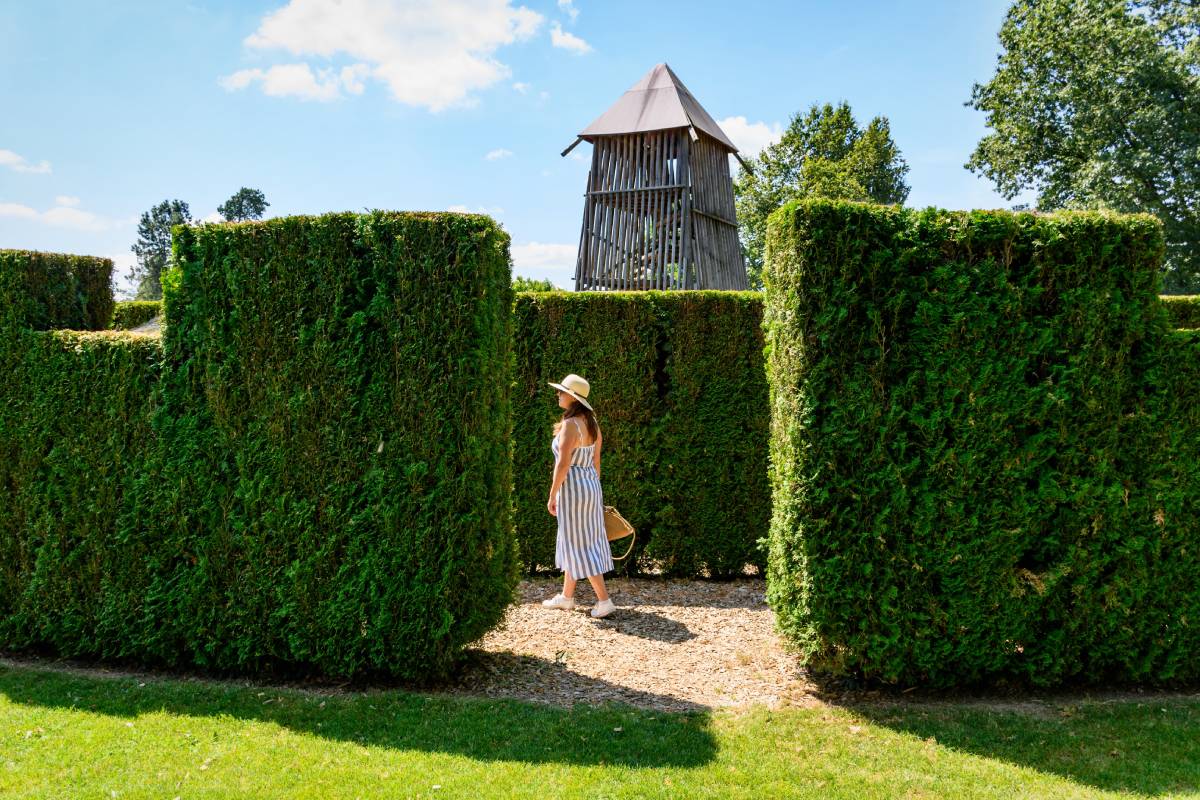
A tree hedge is a boundary or screen created by training trees, rather than shrubs, to grow closely together and be shaped through regular trimming. While many people associate hedges with smaller bushes, hedges can also be formed from full-sized trees that are pruned and maintained to create a dense, uniform structure.
Characteristics of Tree Hedges
Tree hedges differ from traditional shrub hedges in several ways:
- Height and Structure
Tree hedges can reach much greater heights than shrub hedges. They may form towering privacy screens or property boundaries several meters high. Even when pruned regularly, tree hedges generally retain a more substantial, architectural presence. - Density
When properly trimmed, tree hedges can become remarkably dense, offering excellent noise reduction and wind protection. They serve as natural sound barriers and are especially valued in rural and suburban areas. - Durability
Trees used in hedging often have strong, woody stems that tolerate heavy pruning. This enables them to maintain their shape over many years and endure adverse weather conditions. - Longevity
Tree hedges typically outlive shrub hedges. Once established, they can remain effective and attractive for decades, even centuries, in historic estates.
Examples of Tree Species Used for Hedges
Several species are commonly used for tree hedging due to their vigorous growth, ability to regenerate after cutting, and dense foliage:
- Beech (Fagus sylvatica)
- Hornbeam (Carpinus betulus)
- Yew (Taxus baccata)
- Leyland Cypress (Leylandii)
- Holly (Ilex aquifolium)
- Laurel (Prunus laurocerasus)
Tree hedges may be evergreen (providing year-round cover) or deciduous (offering seasonal colour and variation).

What Are Hedge Trees Called?
The term “hedge tree” refers broadly to any tree species used specifically for creating a hedge. However, there are several more specific terms used in gardening and landscaping:
1. Hedge Trees / Hedging Trees
A direct term describing trees suitable for hedges, differentiating them from hedging shrubs.
2. Pleached Trees
Pleaching involves weaving and training young branches along a frame to create a raised, formal hedge wall.
3. Standard Trees for Hedging
These have a clear trunk with a controlled canopy above and may be used alongside lower hedges.
4. Screening Trees
Planted close together, these trees provide privacy in a similar style to tall hedges.
5. Topiary Trees
Grown for decorative shapes, these are maintained like formal hedges but are designed for aesthetics rather than structure.
Understanding the terminology helps homeowners choose the right style of hedge depending on their goals: privacy, beauty, wind protection, noise reduction, or all of the above.
Can You Cut Hedges Yourself?
In many cases, yes, you can cut your own hedges, provided you follow safety guidelines, environmental regulations, and best practices. Hedge trimming is common DIY work, although tall tree hedges or overgrown hedges may require professional help.
1. Safety Considerations
Cutting hedges can involve risks such as:
- Handling power tools
- Using ladders
- Dealing with dense or thorny vegetation
- Working near fences, walls, or uneven ground
Always use:
- Sturdy gloves
- Eye protection
- A stable ladder
- Well-maintained tools
For large hedges, especially tall species like Leylandii, professional arborists or hedge-cutting services such as Lakeside Trees Lopping and Stumps in Perth can trim hedges safely and efficiently.
2. Legal Considerations
Local laws vary, but common rules include:
- Bird nesting restrictions: Many regions prohibit hedge cutting between March and August to protect wildlife.
- Boundary responsibilities: Shared hedges require agreement between neighbours.
- Overhanging branches: You usually may cut branches over your property, up to the boundary.
- Public pathways: Homeowners may be obliged to keep hedges trimmed to avoid obstructing walkways.
Always check local regulations before trimming.
3. Ecological Considerations
Hedges are ecosystems that support birds, insects, and small mammals. To protect wildlife:
- Avoid cutting during nesting season.
- Leave some sections untrimmed each year.
- Trim flowering or berry-producing hedges at the correct time to preserve food sources.
Hedges also improve air quality, store carbon, and provide shelter from wind, making them valuable for both gardens and the environment.
4. Practical Considerations
If cutting your hedge yourself, plan according to species and function.
When to Trim
- Evergreen hedges: Late spring and mid-summer.
- Deciduous hedges: Typically late summer.
- Flowering hedges: Immediately after flowering.
How Hard to Cut
Different species tolerate different levels of pruning:
- Yew: Excellent regenerative ability.
- Beech/Hornbeam: Tolerate moderate reduction.
- Leylandii: Sensitive, cutting into old wood may cause dieback.
When to Hire a Professional
A professional is recommended when:
- The hedge is too tall to reach safely.
- The hedge is overgrown and needs reshaping.
- You are dealing with sensitive species.
- Power lines or structures are nearby.
- The job involves heavy cutting or tree lopping techniques.
Professionals ensure safety and provide long-term health benefits for your hedge.
Conclusion
Hedges are both practical and visually appealing, offering structure, privacy, and a habitat for wildlife. Understanding what a tree hedge is and the different terms used for hedge trees helps homeowners choose the right species and style for their landscape. Hedges can be formal or informal, evergreen or deciduous, and can be either towering or compact.
Most people can safely cut and maintain hedges themselves with the right tools, knowledge, and precautions. However, legal restrictions, wildlife protection, and physical safety must always be considered. For large or complex hedges, professional assistance ensures long-term health and aesthetics.
Whether you’re planning a new hedge, renovating an existing one, or simply curious about the terminology and maintenance involved, a properly cared-for hedge can enhance your property for generations to come.